6 Lessons Every CFO Should Take From Warren Buffett's Shareholder Letter
Six core lessons from Buffett's latest letter — and how CFOs and leadership teams can put them to work.
Tariff policy, a slowing global economy, geopolitical tension — the macro backdrop is shifting fast. For companies, the pressing question is how to survive and grow amid that uncertainty.
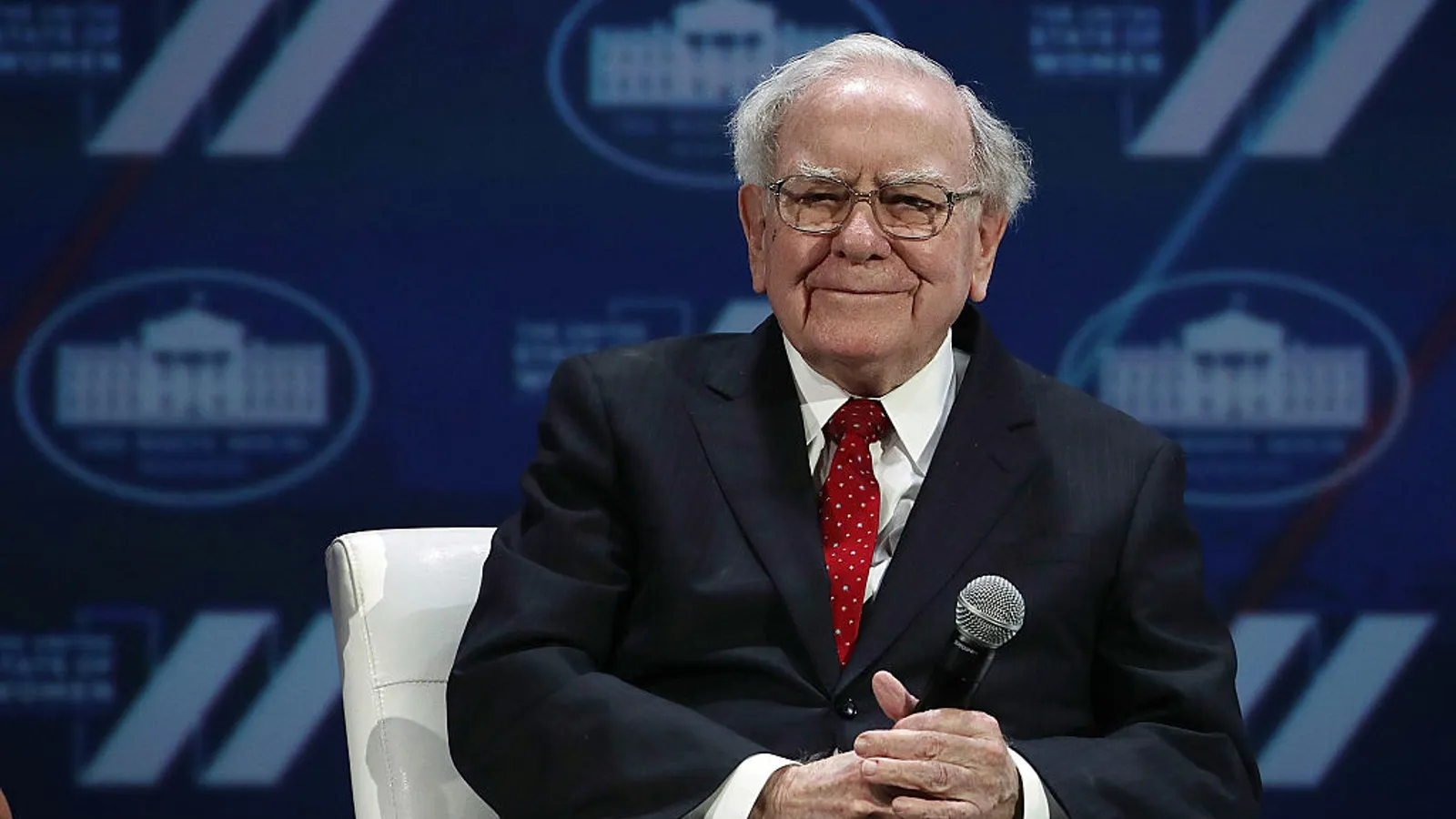
In moments like this, it pays to learn from people who've done it. People like Warren Buffett. Now 94, Buffett still runs Berkshire Hathaway, and in his most recent shareholder letter he laid out the principles behind running a business well.
In this piece, we'll walk through six core lessons from the letter and how CFOs and leadership teams can apply them in practice.
1. Transparency with shareholders is the key to success
Buffett stresses that being transparent with shareholders about company performance is central to long-term success. Plenty of companies try to bury bad results — but communicating honestly, even when the numbers are poor, serves a company's long-term growth far better.
"Between 2019 and 2023, I used the words 'mistake' or 'error' 16 times in my letters. Many huge companies never used either word over that same period."
How a CFO can apply it:
Back up every regular performance update with concrete data and analysis.
When results slip, spell out a specific turnaround strategy and execution plan.
Hold regular shareholder briefings and Q&A sessions.
The payoff: Greater shareholder trust → a more stable share price and a longer-term investor base.
2. Mistakes are unavoidable → what matters is how you respond
Buffett's point isn't to avoid mistakes; it's that success hinges on how effectively you respond to them. He's had his wins — Apple and GEICO among them — but he's also owned up to failed capital-allocation calls. The thing that matters is recognizing the mistake and moving fast to fix it.
"The cardinal sin is to ignore a problem instead of fixing it. You have to act immediately."
How a CFO can apply it:
Run a data-driven post-mortem on what went wrong.
Build an action plan and execute it immediately.
Document the lessons and share the case widely.
The payoff: You don't repeat the same mistake → stronger problem-solving muscle across the org.
3. Succession planning is non-negotiable
Berkshire Hathaway named Greg Abel as Buffett's successor back in 2021. Buffett has been emphatic that Abel fully understands the company's values and philosophy, and that his management approach is aligned with Berkshire's long-term strategy.
"Greg Abel understands the responsibility of delivering an accurate report to shareholders every single year."
How a CFO can apply it:
Build succession plans for key executives and critical talent.
Run a development program to grow the next generation of leaders.
Give successors hands-on experience and real strategic decision-making reps.
The payoff: Stable leadership → no management vacuum.
4. Great leaders run on instinct for the business, not pedigree
Buffett notes that a company's success is driven far more by an innate feel for business than by academic credentials.
"Many of the best managers I've known didn't come from elite schools. I never considered where a CEO went to college when I picked them."
How a CFO can apply it:
Hire for problem-solving ability and business instinct over pedigree.
Evaluate people on actual results and time in the field.
Factor strategic contribution into internal performance reviews.
The payoff: You land genuinely capable talent → long-term performance.
5. Paying taxes is a marker of success
In 2024, Berkshire Hathaway paid the largest corporate tax bill in U.S. history — $26.8 billion. Buffett framed that as a badge of success.
"In 1965, Berkshire Hathaway paid not a single dollar in taxes. Today it pays more in taxes than any company in American history."
How a CFO can apply it:
Optimize taxes within the bounds of the law.
Avoid aggressive tax schemes → build trust with regulators and the government.
Tie tax spend back to the company's growth strategy.
The payoff: Long-term trust → financial stability.
6. The case against EBITDA
Buffett argues that EBITDA (earnings before interest, taxes, depreciation, and amortization) fails to reflect a company's real performance. In his view, operating income and net income are the more meaningful measures.
"EBITDA gets far too much credit on Wall Street — it doesn't reflect a company's true profitability."
How a CFO can apply it:
Lean harder on cash flow and net income than on EBITDA.
Base investment decisions on cash-generating ability.
Beyond EBITDA, track EBIT (operating income) and FCF (free cash flow).
The payoff: Stronger real profitability → sounder financial health.
Buffett's playbook is built around creating long-term enterprise value, not short-term wins. Adopt that playbook as a CFO and the upside follows.
A CFO's job goes beyond managing financial results — it's about setting the company's strategic direction and laying the groundwork for long-term growth. Adapt Buffett's principles to your own CFO strategy and turn them into real results.
✨⚙️ Thinking about bringing AI into your company's FP&A?
Get FP&A insights validated on the floor — delivered every Tuesday morning.